The Ultimate Guide to the Cost of U-Haul: Understanding Your Moving Expenses
The Ultimate Guide to the Cost of U-Haul: Understanding Your Moving Expenses
Moving is often cited as one of life’s most stressful events, and a significant portion of that stress stems from financial concerns. For many, renting a U-Haul truck or trailer is an essential part of the moving process. However, the cost of U-Haul can be a mystery to the uninitiated, often leading to unexpected expenses if not properly understood and budgeted for. This comprehensive guide aims to demystify the various components that make up the cost of U-Haul, providing you with the knowledge to plan your move efficiently and avoid unwelcome surprises.
Understanding the cost of U-Haul is not just about the sticker price of the rental truck; it encompasses a range of factors from mileage and fuel to insurance and additional equipment. By breaking down these elements, we’ll help you gain clarity, make informed decisions, and ultimately manage your moving budget effectively. Whether you’re moving across town or across the country, knowing what to expect financially is the first step toward a smoother, less stressful relocation.
Unpacking the Core Components of U-Haul Costs
When you set out to determine the cost of U-Haul, it’s crucial to recognize that the advertised daily or one-way rental rate is just the starting point. Several other components contribute significantly to the final bill.
Truck Rental Fee: The Base Rate
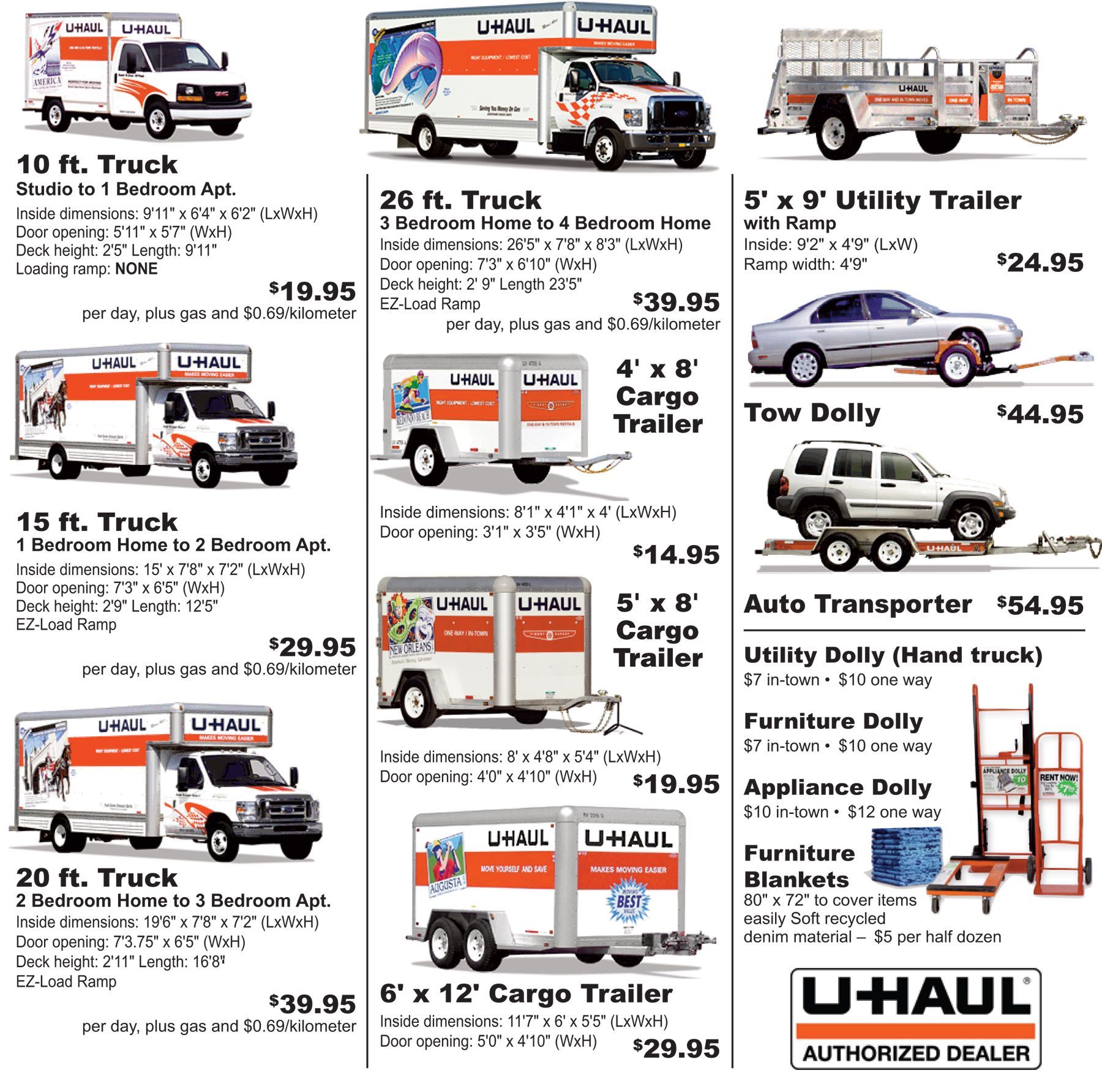
This is the fundamental charge for using the U-Haul truck or trailer. For local rentals, it’s typically a low daily rate (e.g., $19.95, $29.95), plus a per-mile charge. For one-way rentals, the base rate is higher but usually includes a set mileage allowance and a specific number of days. The size of the truck directly impacts this base fee, with larger trucks naturally costing more.
Mileage Charge: The Variable Factor
For local moves, the mileage charge is often the most significant variable component of the cost of U-Haul. This is a per-mile fee that can range anywhere from $0.69 to $1.29 or more, depending on location, demand, and truck size. It’s imperative to estimate your total mileage accurately to budget for this. One-way rentals typically don’t have a separate mileage charge, as a mileage allowance is baked into the higher base rate.
Fuel Costs: A Significant Consideration
U-Haul trucks are notoriously fuel-inefficient. While U-Haul doesn’t charge for fuel directly, you are responsible for returning the truck with the same amount of fuel it had when you picked it up. Failure to do so will result in U-Haul charging you for the fuel at a premium rate, plus a refueling service fee. The actual cost of U-Haul fuel will depend on the truck’s fuel economy (typically 8-12 MPG for larger trucks), current gas prices, and the distance of your move. Always budget for this expense.
Insurance and Protection Plans: Peace of Mind (or Added Expense?)
U-Haul offers various protection plans, such as Safemove® and Safemove Plus®, which cover damage to the rental equipment, your belongings, and offer medical/life coverage. While optional, declining these plans means you are fully responsible for any damage to the truck or your items. Your personal auto insurance policy might offer some coverage for rental trucks, but often with limitations on truck size or type. It’s vital to check with your insurance provider to understand your existing coverage before deciding on U-Haul’s protection plans. Including a protection plan significantly adds to the overall cost of U-Haul, but it can be a wise investment for peace of mind.
Rental Equipment & Accessories: Essential Add-ons
Most moves require more than just a truck. U-Haul offers a wide array of moving supplies and equipment, including:
- Dollies: Utility dolly, appliance dolly, furniture dolly.
- Moving Blankets/Pads: To protect furniture.
- Tie-downs/Straps: To secure items.
- Hand Trucks, Furniture Pads, Boxes: And other packing supplies.
Each of these items comes with an additional rental or purchase fee, contributing to the final cost of U-Haul. Assess your needs carefully to avoid renting unnecessary items.
Environmental Fee and Taxes
A small, mandatory environmental fee is typically added to every rental. Additionally, state and local taxes, along with potential vehicle licensing fees, will be applied to your total bill, adding a few extra percentage points to the overall cost of U-Haul.
Factors Influencing Your U-Haul Cost
The final cost of U-Haul is not static; it’s a dynamic figure influenced by several key factors. Understanding these variables can help you strategically plan your rental.
Distance of Your Move: Local vs. One-Way
This is arguably the most significant factor.
- Local Moves: Typically involve picking up and dropping off the truck at the same location. They usually have a low daily rate plus a per-mile charge. This structure is ideal for short distances, often under 50-100 miles.
- One-Way Moves: Involve picking up a truck at one location and dropping it off at another. These rentals have a higher, all-inclusive base rate that covers a set mileage allowance and number of days, with no additional per-mile charge. One-way rentals are designed for longer distances (interstate or long-distance intrastate).
Truck Size: The Right Fit for Your Belongings
U-Haul offers a range of truck sizes, from 10ft box trucks to 26ft behemoths. The larger the truck, the higher its base rental rate and, generally, the worse its fuel economy. Choosing the right size is crucial; an undersized truck might necessitate multiple trips (increasing mileage and fuel for local moves) or require a second rental. An oversized truck means you’re paying for unused space and burning more fuel than necessary.
Rental Duration: Time is Money
For local rentals, extending your rental beyond the initial 24 hours will incur additional daily charges. For one-way rentals, you’re given a specific number of days to complete your move. Exceeding this allowance can lead to late fees and additional daily charges, significantly increasing the cost of U-Haul.
Time of Year and Demand: Supply and Demand Economics
Like many rental services, U-Haul prices fluctuate based on demand.
- Peak Season: Summer months (May-August), weekends, and the beginning/end of each month are high-demand periods. During these times, prices are higher, and availability is limited.
- Off-Peak Season: Mid-week, mid-month, and off-season (fall/winter, excluding holidays) generally offer lower rates and better availability.
Booking during off-peak times can lead to substantial savings on the cost of U-Haul.
Pickup and Drop-off Location
Rental rates can vary based on the specific U-Haul location. Urban centers or areas with high demand might have different pricing structures compared to rural or less populated areas. Sometimes, picking up or dropping off in a slightly different location can yield better rates if you have the flexibility.
Booking in Advance
Generally, booking your U-Haul rental several weeks or even months in advance, especially during peak season, can help secure better rates and ensure truck availability. Last-minute bookings, particularly for one-way moves, tend to be more expensive.
One-Way vs. Local U-Haul Rental Costs: A Closer Look
Deciding between a local and a one-way rental is critical to managing the cost of U-Haul.
-
Local Rental:
- Structure: Low daily rate + per-mile charge.
- Best For: Short-distance moves (e.g., within the same city or neighboring towns).
- Pros: Appears cheaper upfront, good for multiple trips if needed.
- Cons: Mileage adds up quickly, requires returning the truck to the original location.
- Typical Cost Example: $19.95/day + $0.89/mile. A 50-mile round trip would be ~$19.95 + $44.50 = ~$64.45 (before fuel, insurance, etc.).
-
One-Way Rental:
- Structure: Higher, all-inclusive base rate for a set number of days and miles. No separate per-mile charge within the allowance.
- Best For: Long-distance moves (e.g., state-to-state or across a large state).
- Pros: Convenience of dropping off at a different location, predictable cost for mileage.
- Cons: Higher initial sticker price, less flexibility on duration and mileage (overages can be costly).
- Typical Cost Example: Can range from a few hundred dollars to over a thousand, depending on distance, truck size, and demand.
Always get quotes for both options if your move falls into a gray area (e.g., 100-200 miles) to see which offers a better overall cost of U-Haul.
Hidden or Overlooked Costs to Consider
Even with careful planning, some unexpected fees can inflate the cost of U-Haul if you’re not aware of them.
- Late Return Fees: U-Haul charges daily penalties if you return the truck past your agreed-upon time, potentially voiding your protection plans as well.
- Cleaning Fees: If the truck is returned excessively dirty, U-Haul may charge a cleaning fee.
- Damage Charges: If you decline protection plans and damage the truck, you’ll be responsible for the repair costs.
- Fuel Refill Charges: As mentioned, returning the truck with less fuel than when you started will incur premium fuel charges plus a service fee.
- Road Tolls and Parking Fees: These are your responsibility and can add up, especially in metropolitan areas or for long-distance moves.
Practical Tips to Save Money on Your U-Haul Rental
Minimizing the cost of U-Haul requires strategic planning and careful execution.
- Book Early: Especially during peak moving seasons, booking weeks or months in advance can secure better rates and ensure availability of your preferred truck size.
- Choose the Right Truck Size: Use U-Haul’s online tools to estimate the truck size you need based on the number of rooms in your home. An accurate assessment avoids multiple trips or paying for unused space.
- Compare Local vs. One-Way Quotes: Even for seemingly "local" long-distance moves, compare quotes for both options on the U-Haul website.
- Consider Off-Peak Times: If your schedule allows, rent mid-week, mid-month, or during the off-season (fall/winter) to potentially find lower rates.
- Fuel Up Yourself: Always return the truck with the correct fuel level. Use a fuel-tracking app or simply check the gauge before returning to avoid U-Haul’s premium refueling charges.
- Pack Efficiently: Maximize the space in your chosen truck by packing tightly and strategically. This can sometimes allow you to rent a smaller, cheaper truck.
- Decline Unnecessary Add-ons: Only rent equipment you genuinely need. If you have your own moving blankets or dollies, use them.
- Check for Discounts: While U-Haul doesn’t widely advertise discounts, it’s always worth asking if they offer any for students, military personnel, or AAA members, though direct U-Haul discounts are rare.
- DIY Moving Supplies: Use free boxes from grocery stores, use your own towels/blankets for padding, and borrow dollies from friends if possible.
- Drive Safely and Efficiently: Aggressive driving reduces fuel economy. Drive steadily and adhere to speed limits to save on fuel costs.
How to Get an Accurate U-Haul Cost Estimate
The best way to determine your specific cost of U-Haul is to use U-Haul’s official website.
- Visit U-Haul.com: Go to the main rental page.
- Enter Pickup and Drop-off Locations: Specify if it’s a local or one-way move.
- Select Dates and Times: Be as accurate as possible with your desired pickup and return dates.
- Choose Truck/Trailer Size: Select the size you believe you’ll need.
- Add Equipment and Protection: On the next screen, you’ll be prompted to add dollies, blankets, and select a protection plan.
- Review the Detailed Breakdown: U-Haul will then provide a comprehensive quote, breaking down the estimated base rate, mileage (for local), protection plan costs, equipment rentals, environmental fee, and taxes. This detailed estimate is your most accurate projection of the cost of U-Haul for your specific scenario.
U-Haul Estimated Price Table
Please note: The cost of U-Haul varies significantly by location, demand, time of year, and specific U-Haul dealer. These are estimates for planning purposes and should not be considered exact prices. Always get a direct quote from U-Haul for your specific needs.
| Item/Service | Local Rental (Estimated Range) | One-Way Rental (Estimated Range) | Notes/Variability |
|---|---|---|---|
| Truck Rental Base Rate | Varies by size, location, demand. Higher on weekends/peak season. | ||
| 10 ft Truck | $19.95 – $29.95/day | $150 – $600+ (includes mileage & days) | Good for studio/1 BR apartment. |
| 15 ft Truck | $29.95 – $39.95/day | $250 – $800+ (includes mileage & days) | Good for 1-2 BR apartment/small home. |
| 20 ft Truck | $39.95 – $49.95/day | $400 – $1200+ (includes mileage & days) | Good for 2-3 BR home. |
| 26 ft Truck | $39.95 – $49.95/day (often same base as 20ft, but higher total) | $500 – $1500+ (includes mileage & days) | Good for 3-4 BR home. |
| Mileage Charge | $0.69 – $1.29 per mile | N/A (included in base rate, with allowance) | Applies only to local rentals. High variability based on location/demand. |
| Fuel Costs | Varies by distance, truck MPG, gas prices | Varies by distance, truck MPG, gas prices | You are responsible for refueling. Avg MPG: 8-12. |
| Protection Plan (Safemove) | $14 – $45+ (depending on coverage level and truck size) | $30 – $100+ (depending on coverage level and truck size/duration) | Optional but highly recommended. Check your personal insurance first. |
| Dollies (Utility/Appliance) | $7 – $10/day (each) | $7 – $10/rental (each, one-time fee) | Essential for heavy items. |
| Moving Blankets | $5 – $10/dozen (rental) | $5 – $10/dozen (rental) | Protects furniture. Consider buying if you need many. |
| Environmental Fee | ~$1 – $5 | ~$1 – $5 | Small, mandatory fee. |
| Taxes & Surcharges | Varies by state/local rates (5-15% of total) | Varies by state/local rates (5-15% of total) | Applied to all rental components. |
| Late Return Fee | Full daily rate + potential penalties | Full daily rate + potential penalties | Avoid at all costs! |
| Refueling Service Fee | $30 – $50+ (plus premium fuel cost) | $30 – $50+ (plus premium fuel cost) | Charged if truck not returned with proper fuel level. |
For an accurate quote, please visit U-Haul’s official website.
Frequently Asked Questions (FAQ) about the Cost of U-Haul
Q: How much does a U-Haul cost for a local move?
A: A local U-Haul rental typically starts with a low daily base rate (e.g., $19.95-$49.95) plus a per-mile charge (e.g., $0.69-$1.29/mile). This doesn’t include fuel, protection plans, or equipment. A 50-mile local move could easily range from $70 to $150+ depending on truck size, mileage rate, and other add-ons.
Q: How much does a U-Haul cost for a one-way move?
A: One-way U-Haul costs are significantly higher than local rentals, ranging from a few hundred dollars to over $1,500, depending on the distance, truck size, time of year, and demand. This rate usually includes a set mileage allowance and a specific number of days.
Q: Is U-Haul mileage free?
A: No. For local rentals, there is a per-mile charge. For one-way rentals, while there isn’t a separate per-mile fee, a mileage allowance is built into the higher base rate. Exceeding this allowance will incur additional charges.
Q: Do I need U-Haul insurance?
A: U-Haul insurance (protection plans like Safemove®) is optional. However, if you decline it, you are fully responsible for any damage to the truck or your belongings. Check with your personal auto insurance and credit card company to see if they offer any rental truck coverage, but be aware of limitations. Many find the peace of mind worth the additional cost of U-Haul.
Q: What’s the cheapest day to rent a U-Haul?
A: Generally, mid-week (Tuesday-Thursday) and mid-month are the cheapest days to rent a U-Haul, as demand is lower. Weekends and the first/last days of the month are typically the most expensive due to high demand.
Q: How much gas does a U-Haul use?
A: U-Haul trucks are not fuel-efficient. A 10ft truck might get around 10-12 MPG, while larger trucks (20ft, 26ft) often get 8-10 MPG or even less, especially when fully loaded. Fuel costs can be a substantial portion of the total cost of U-Haul.
Q: Can I return a U-Haul early?
A: Yes, you can usually return a U-Haul truck early. However, U-Haul typically does not offer refunds for early returns on one-way rentals, as the rate is fixed for the allotted time. For local rentals, if you return it within the first few hours, you might be eligible for a partial refund on the daily rate, but this varies by location and policy.
Q: What happens if I’m late returning a U-Haul?
A: If you return a U-Haul late, you will typically be charged for an additional day’s rental, and potentially late fees or penalties. It can also cause issues for the next renter and may void your protection plan coverage. It’s always best to communicate with U-Haul if you anticipate a late return.
Conclusion: Mastering the Cost of U-Haul for a Smooth Move
Navigating the cost of U-Haul can seem daunting at first, but by breaking down the various components and understanding the factors that influence pricing, you can approach your move with confidence and a clear budget. From the base rental fee and mileage to fuel, insurance, and essential equipment, every element contributes to the final expenditure.
The key to managing the cost of U-Haul lies in meticulous planning, strategic decision-making (like choosing between local and one-way, or renting during off-peak times), and awareness of potential hidden fees. By leveraging the tips and information provided in this guide, you’re empowered to make choices that optimize your moving budget without compromising on the efficiency and safety of your relocation. A well-planned U-Haul rental is not just about moving your belongings; it’s about moving forward with peace of mind.