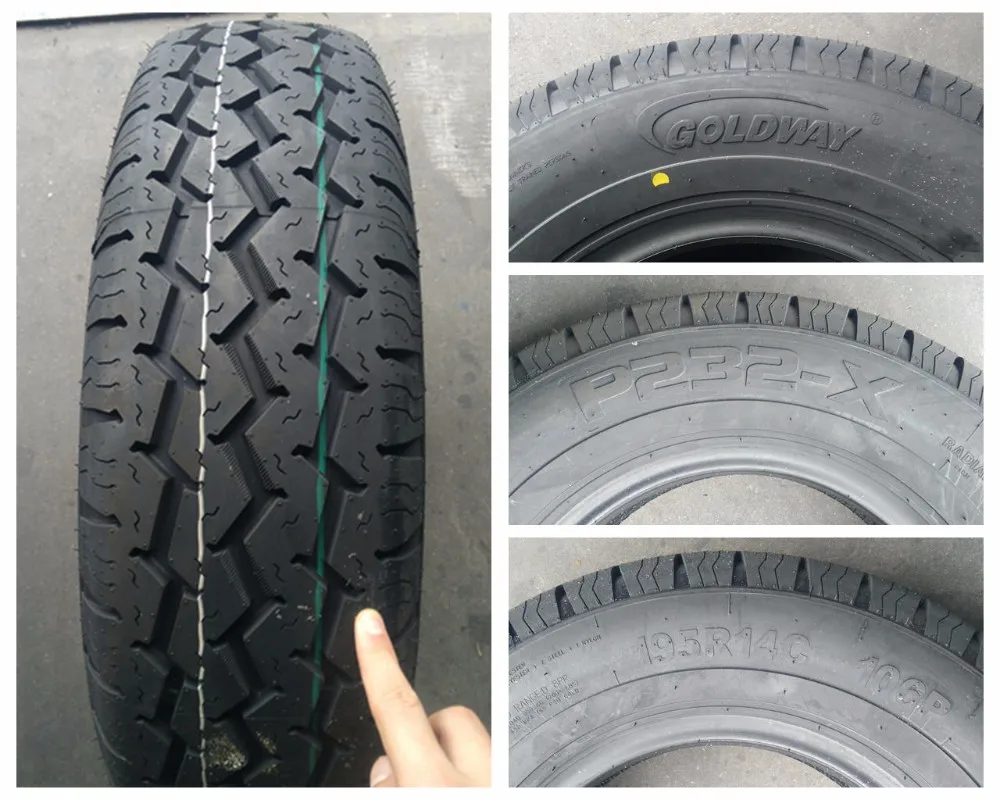
215/75R14 Light Truck Tires: Your Comprehensive Guide to Performance and Durability

215/75R14 Light Truck Tires: Your Comprehensive Guide to Performance and Durability
In the vast world of automotive components, tires often receive less attention than the engine or interior, yet they are undeniably one of the most critical elements connecting your vehicle to the road. Among the myriad of sizes and types, the 215/75R14 light truck tire holds a significant, albeit specific, niche. These tires are not just a collection of numbers; they represent a carefully engineered solution for a particular range of vehicles and applications, demanding a unique blend of durability, load-carrying capacity, and performance.
This comprehensive guide will delve deep into everything you need to know about 215/75R14 light truck tires, from deciphering their numerical code to understanding their benefits, choosing the right set, and ensuring their longevity through proper maintenance. Whether you own an older pickup, a utility trailer, or a classic SUV that calls for this size, grasping the intricacies of these tires is paramount for safety, efficiency, and optimal performance.
Understanding the Numbers: What Does 215/75R14 Mean?
Before diving into the practical aspects, it’s essential to decode the alphanumeric sequence that defines these tires. Each segment of “215/75R14” conveys vital information about the tire’s dimensions and construction:
- 215 (Section Width in Millimeters): This number indicates the tire’s width from sidewall to sidewall, measured in millimeters, when mounted on an approved rim. A 215mm width suggests a moderately wide tire, providing a decent contact patch with the road for stability and traction.
- 75 (Aspect Ratio/Profile): This is the tire’s aspect ratio, expressed as a percentage. It represents the height of the tire’s sidewall as a percentage of its section width. In this case, the sidewall height is 75% of 215mm. A 75-series tire has a relatively tall sidewall, which often contributes to a more comfortable ride by absorbing road imperfections, and provides ample air volume crucial for load-carrying capacity in light truck applications.
- R (Radial Construction): The “R” stands for Radial, indicating the tire’s internal construction. Radial tires are the standard for modern vehicles, featuring plies (layers of cord fabric) that run radially across the tire from bead to bead. This construction provides superior ride comfort, better fuel economy, improved handling, and longer tread life compared to older bias-ply tires.
- 14 (Rim Diameter in Inches): This number specifies the diameter of the wheel rim (in inches) that the tire is designed to fit. So, a 215/75R14 tire must be mounted on a 14-inch diameter wheel. This smaller rim size is characteristic of many older light trucks, SUVs, and a significant number of utility, boat, and RV trailers.
- LT (Light Truck Designation – Implied or Explicit): While not always explicitly part of the size string (sometimes it’s before, like “LT215/75R14”), the context of this article implies the “LT” designation. This is crucial. “LT” tires are designed specifically for light trucks, SUVs, and vans, built to carry heavier loads and withstand more demanding conditions than “P-metric” (Passenger) tires. They feature stronger sidewalls and often higher ply ratings.
Why Choose 215/75R14 Light Truck Tires? Benefits and Applications
The specific characteristics of 215/75R14 LT tires make them ideal for particular applications. Here’s why they are a preferred choice:
- Superior Load Capacity: This is arguably the primary advantage. LT tires are engineered with stronger internal components and stiffer sidewalls to safely handle heavier loads compared to similarly sized passenger car tires. This is critical for light trucks carrying cargo, towing trailers, or for trailers themselves.
- Enhanced Durability and Longevity: Built with tougher rubber compounds and more robust construction, 215/75R14 LT tires are designed to resist punctures, cuts, and abrasions common in work environments or when traversing varied terrain. Their inherent strength often translates to a longer service life under demanding conditions.
- Improved Stability Under Load: The stiffer sidewalls of LT tires minimize tire flex when under heavy loads, contributing to better vehicle stability, improved handling, and reduced sway, especially important when towing.
- Cost-Effectiveness: For vehicles that originally came with this size, sticking to it can be more economical. These tires are generally less expensive than larger or more specialized LT tire sizes, offering a good balance of performance and value for their intended use.
- Perfect Fit for Specific Vehicles and Trailers: This size is commonly found on older model Ford Rangers, Chevrolet S-10s, certain Jeep Cherokees, and a vast array of utility trailers, boat trailers, and smaller RVs. Using the manufacturer-recommended size ensures proper fitment, speedometer accuracy, and adherence to load ratings.
Key Considerations When Buying 215/75R14 LT Tires
Selecting the right 215/75R14 LT tire goes beyond just matching the size. Several critical factors must be considered to ensure safety, performance, and value:
- Load Range (Ply Rating): This is paramount for LT tires. Load range (e.g., C, D, E) indicates the tire’s maximum load-carrying capacity at a specified inflation pressure. A higher letter (E > D > C) signifies a greater capacity. Always consult your vehicle’s doorjamb placard or owner’s manual for the recommended load range and maximum gross vehicle weight rating (GVWR) or gross axle weight rating (GAWR). Using a tire with an insufficient load range can lead to tire failure, poor handling, and safety hazards.
- Tread Design and Type: The tread pattern dictates the tire’s performance characteristics:
- Highway Rib (H/T): Designed for paved roads, offering a quiet ride, good fuel economy, and long tread life. Ideal for light trucks primarily used for commuting or light hauling on highways.
- All-Season (A/S): A versatile option that provides reliable traction in various conditions, including light snow and wet roads. A good all-around choice for everyday use.
- All-Terrain (A/T): Featuring a more aggressive tread pattern with deeper grooves and larger blocks, A/T tires offer enhanced traction on unpaved surfaces like dirt, gravel, and light mud, while still performing reasonably well on highways.
- Speed Rating: Indicated by a letter (e.g., S, T, H), the speed rating specifies the maximum safe speed a tire can maintain under its recommended load. While 14-inch LT tires typically have lower speed ratings (e.g., S for 112 mph, T for 118 mph) compared to performance passenger tires, it’s crucial to match or exceed your vehicle’s maximum intended speed. For trailers, speed ratings are often lower but still important.
- Brand Reputation and Warranty: Opt for reputable tire brands known for quality and reliability. Major manufacturers often offer better warranties and have extensive research and development backing their products. Read reviews to gauge real-world performance.
- DOT Date Code (Tire Age): Tires have a limited shelf life, even if unused. Look for the four-digit DOT code on the sidewall, indicating the week and year of manufacture (e.g., “3523” means 35th week of 2023). Avoid purchasing tires older than 5-6 years, as rubber degrades over time, regardless of tread wear.
- UTQG Rating (Uniform Tire Quality Grading): While primarily for passenger tires, some LT tires might list UTQG ratings (Treadwear, Traction, Temperature).
- Treadwear: A comparative rating based on wear rate; higher numbers mean longer expected life.
- Traction: Rated A, B, or C for wet braking performance. A is best.
- Temperature: Rated A, B, or C for resistance to heat generation. A is best.
Installation and Maintenance Guide
Even the best 215/75R14 LT tires won’t perform optimally or last long without proper installation and diligent maintenance.
- Professional Installation and Balancing: Always have tires professionally mounted and balanced. Proper balancing prevents vibrations, ensures even wear, and extends tire life. Lug nuts should be torqued to the manufacturer’s specifications.
- Maintain Correct Tire Pressure: This is critical for LT tires. Under-inflation leads to excessive heat buildup, premature wear, reduced fuel economy, and potential tire failure, especially under load. Over-inflation can cause a harsh ride, reduced traction, and uneven wear. Always inflate to the pressure recommended by your vehicle manufacturer (found on a placard in the door jamb, glove box, or owner’s manual), NOT the maximum pressure listed on the tire’s sidewall. Check pressure regularly (at least once a month) when tires are cold.
- Regular Tire Rotation: Rotate your tires every 5,000 to 7,000 miles, or as recommended by your vehicle or tire manufacturer. Rotation helps distribute wear evenly across all four tires, extending their overall lifespan.
- Wheel Alignment: Periodically check your vehicle’s wheel alignment. Misalignment causes uneven and rapid tire wear, impacting handling and fuel efficiency. If you notice pulling, steering wheel off-center, or feathering wear on your tires, get an alignment immediately.
- Regular Inspection: Visually inspect your tires frequently for signs of wear, damage, or foreign objects. Look for bulges, cracks, cuts, punctures, or uneven tread wear patterns. Check tread depth using a penny (if Lincoln’s head is visible, it’s time to replace).
- Proper Storage: If you store seasonal tires or a spare, ensure they are kept in a cool, dry place away from direct sunlight, chemicals, and ozone-producing equipment (like electric motors).
Challenges and Solutions
While 215/75R14 LT tires are excellent for their intended purpose, there can be a few challenges:
- Limited Availability: As vehicle designs have evolved towards larger wheels, finding a wide selection of 215/75R14 LT tires at local shops might be challenging.
- Solution: Explore online tire retailers, who often have a broader inventory and can ship directly to an installer. Specialty tire shops catering to older vehicles or trailers are also good resources.
- Fewer High-Performance or Extreme Off-Road Options: The market for this specific size in aggressive off-road or ultra-performance categories is smaller.
- Solution: Focus on reliable all-terrain (A/T) options from reputable brands, which offer a good balance of off-road capability and on-road comfort suitable for most applications requiring this size.
- Ensuring Correct Load Matching: Misunderstanding load range can lead to dangerous overloading.
- Solution: Diligently cross-reference the tire’s load range with your vehicle’s GVWR and GAWR specifications. Never exceed the lowest load capacity component in your vehicle/tire system.
215/75R14 Light Truck Tire Price Guide (Approximate)
Prices for 215/75R14 LT tires can vary significantly based on brand, tread design, load range, retailer, and current promotions. The table below provides an approximate price range for common types. Always check current pricing from multiple retailers.
| Brand (Example) | Model (Example) | Type | Load Range | Approximate Price Range (Per Tire) | Key Features |
|---|---|---|---|---|---|
| Goodyear | Wrangler Radial | All-Season | C/D | $120 – $160 | Balanced performance, good tread life |
| BFGoodrich | Radial T/A Spec | All-Season | C/D | $115 – $155 | Classic look, decent all-season traction |
| Firestone | Transforce HT | Highway Rib | D/E | $130 – $170 | Durable, designed for heavy hauling, long mileage |
| Hankook | Dynapro AT2 | All-Terrain | C/D | $140 – $180 | Good off-road grip, surprisingly quiet on road |
| Mastercraft | Courser AXT | All-Terrain | C/D | $100 – $140 | Value-oriented, capable off-road for the price |
| Trailer King | ST Radial | Trailer (ST) | D/E | $80 – $120 | Specifically for trailers, reinforced for towing |
Note: Prices are estimates and subject to change. Installation, balancing, and disposal fees are typically separate.
Frequently Asked Questions (FAQ)
Q1: Can I use P-metric (Passenger) tires instead of LT tires of the same size?
A1: It is strongly advised against it. P-metric tires are not designed to carry the same heavy loads as LT tires. Using them on a light truck or trailer that requires LT tires can lead to premature wear, tire failure, and dangerous handling issues. Always stick to the tire type specified by your vehicle manufacturer.
Q2: How often should I rotate my 215/75R14 LT tires?
A2: Generally, rotate them every 5,000 to 7,000 miles, or as recommended by your vehicle or tire manufacturer. Regular rotation helps ensure even tread wear and extends the life of your tires.
Q3: What tire pressure should I use for my 215/75R14 LT tires?
A3: Always refer to your vehicle’s owner’s manual or the tire placard located on the driver’s side door jamb (or sometimes the glove box/fuel filler door). This placard provides the recommended cold inflation pressure for your specific vehicle and its load conditions, not the maximum pressure listed on the tire’s sidewall.
Q4: How long do 215/75R14 LT tires typically last?
A4: Lifespan varies greatly depending on driving habits, road conditions, maintenance, and tire quality. With proper care (correct inflation, rotation, alignment), you can expect 215/75R14 LT tires to last anywhere from 40,000 to 60,000 miles, or about 5-7 years, whichever comes first.
Q5: Are 215/75R14 LT tires good for off-roading?
A5: It depends on the specific tread design. If you choose an All-Terrain (A/T) variant, it will offer decent off-road traction for light trails, gravel, and dirt. Highway (H/T) or All-Season (A/S) tires are not designed for aggressive off-road use. Always match the tire type to your primary driving conditions.
Conclusion
The 215/75R14 light truck tire, though perhaps not as widely discussed as its larger counterparts, remains a vital component for a significant segment of vehicles and trailers. Understanding its specific dimensions, the critical “LT” designation, and the implications of its design is fundamental to making informed decisions. By selecting the correct load range, appropriate tread type, and committing to diligent maintenance, you can ensure your 215/75R14 LT tires deliver the safety, durability, and performance your light truck or trailer demands. Investing in the right tires and caring for them properly is not just about extending their lifespan; it’s about safeguarding your journey and your cargo.